My pup left feeling so much better!
The staff was amazing, and the facility was clean and organized. The reasonable pricing was the icing on the cake.
Walk-ins are always welcome for urgent and emergency veterinary care. Review the warning signs, triage process and practical information that can make a stressful visit easier to navigate.
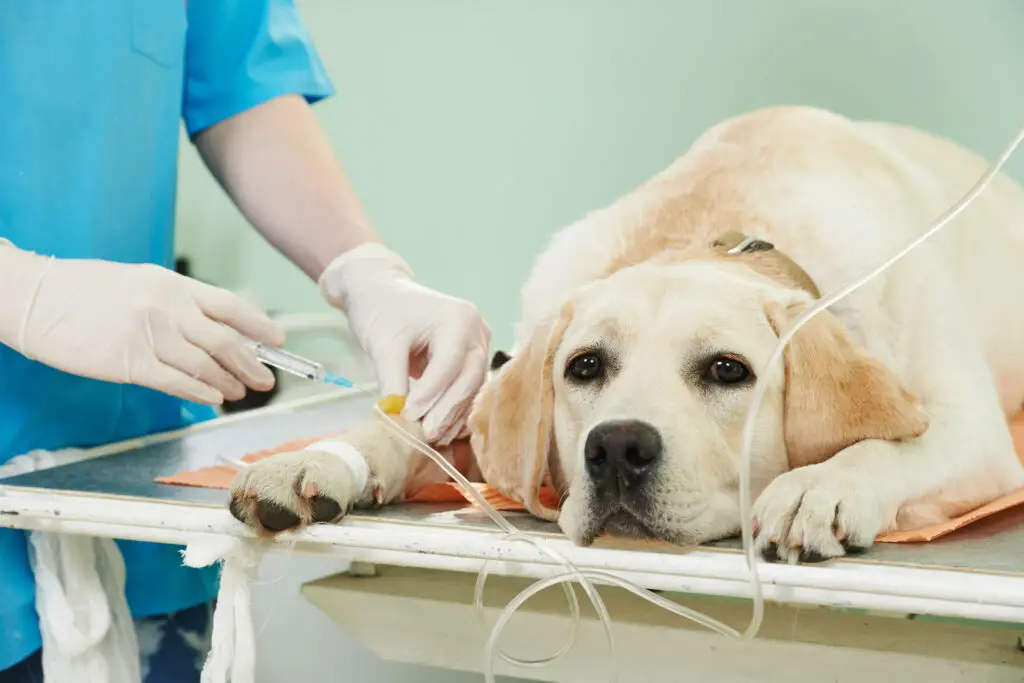
Seek immediate veterinary care for difficulty breathing, collapse, major trauma, uncontrolled bleeding, repeated seizures, severe weakness, a swollen abdomen, inability to urinate, heatstroke or known toxin exposure. If your pet is suddenly ill or in pain and you are unsure how serious it is, call or come in.
My pup left feeling so much better!
The staff was amazing, and the facility was clean and organized. The reasonable pricing was the icing on the cake.
Thank you for helping my Beemo!
At 1 AM, he cracked a nail and was bleeding heavily. They provided pain medication, clipped the broken nail, and trimmed the others to help prevent it from happening again.
Exceptional veterinary care, honest pricing, and a team that truly cares.
Angus needed emergency bowel obstruction surgery, and the team clearly explained his diagnosis, treatment options, and recovery. They kept me informed throughout the process, and he is recovering well.
They treated us with compassion during an incredibly difficult goodbye.
The team comforted our family and helped with the cremation arrangements and paw print. I am deeply grateful for their help.
Dr. Severin was patient and answered all our questions.
We brought in our elderly dog with heart disease, and an X-ray confirmed our concern about fluid buildup. The front desk staff and technicians were great and provided compassionate care.
They gave my cat exactly what she needed and helped her avoid surgery.
After a week of visits elsewhere for a partial stomach blockage, Pet Urgent Care helped her pass the obstruction without surgery or an overnight stay. The rooms were clean, and the waiting area was welcoming.
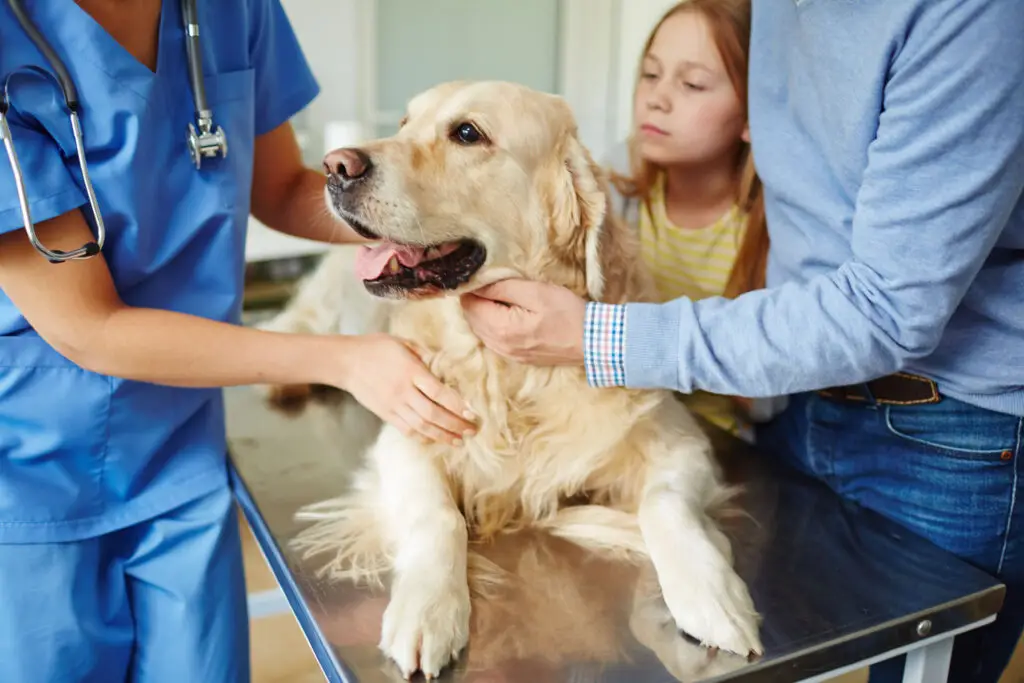
Every visit begins with triage. Critically ill and unstable pets are treated first, while stable patients are seen according to medical urgency. After examination, the veterinarian will explain recommended testing, treatment and estimated costs whenever the situation allows.
Our exam fee is $90, including nights, weekends and holidays. Payment is due at the time of service. Cherry payment plans and CareCredit are available for qualified applicants.
You do not need an appointment or a phone call before coming in. Calling ahead can help the team prepare, especially for trauma, breathing problems, seizures or known toxin exposure. If available, bring:
Transport cats in a secure carrier and dogs on a leash whenever possible. Handle an injured or frightened pet carefully, because pain can cause unexpected behavior.
Triage is a brief assessment used to determine how urgently a patient needs care. A team member may check your pet’s breathing, alertness, visible injuries and vital signs while collecting a short history. This is not the full examination.
Emergency patients are not always seen in arrival order. A pet with a life-threatening condition may be taken directly into treatment, while a stable pet may wait. Wait times can change as new emergencies arrive or hospitalized patients need immediate attention. Tell the team promptly if your pet’s condition changes while you are waiting.
After examining your pet, the veterinarian may recommend bloodwork, urinalysis, X-rays or other diagnostics. The findings guide treatment, which may include medication, wound care, fluids, oxygen, a sedated procedure, surgery or hospitalization. The team will review recommendations and estimated costs before proceeding whenever the medical situation allows.
Pet Urgent Care and Hospital treats dogs and cats with urgent illness, injuries and serious emergencies. Common reasons for visiting include vomiting, diarrhea, loss of appetite, fever, respiratory illness, urinary concerns, wounds, eye or ear problems, trauma, seizures, poisoning, foreign body obstruction, bloat and conditions that require surgery or hospitalization.
Review our veterinary services for more information about urgent care, emergency treatment, hospital capabilities and end-of-life care.
Stable patients may go home with medication and written care instructions. Pets who need continued treatment may be admitted for overnight hospitalization. At discharge, the team will explain home care, warning signs and recommended follow-up with our hospital, your primary veterinarian or a specialist.
Walk-ins are welcome. Call if you have a question before leaving, but do not delay a serious emergency.